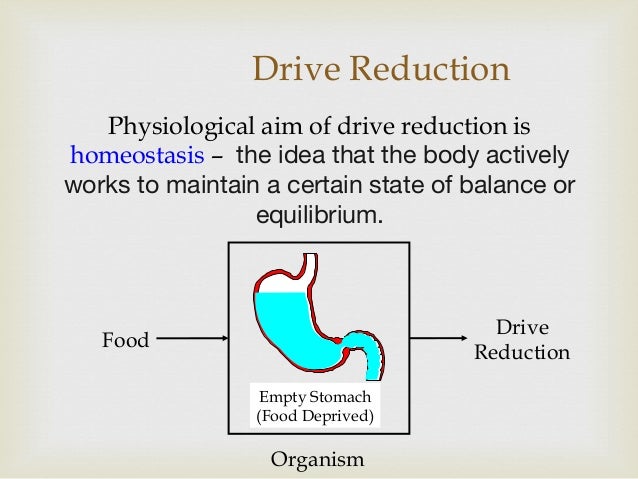
Drive Reduction Theory Definition. Types of drives hull theorized that human beings were motivated by. If your body wants something, that want is the drive.
Drive Reduction Theory Definition Psychology slidedocnow from slidedocnow.blogspot.com
It is said that all living things have instinctual drives to achieve certain goals. Drive theory, also known as drive reduction theory, is a psychological theory of motivation and learning generally attributed to clark hull, a psychologist at yale university from 1929 to 1952. Attributed all behavioral motivation to the pleasure of meeting a biological need.
In This Theory, The Reduction Of Drives Is What Creates Motivation.
Do we know exactly what drives every action in the history of human history? The drive theory sees sex as a basic human drive, such as hunger or thirst. It was one of the popular theories of motivation during the 1940s and the 50s, not only as a theory to explain motivation, but also learning and behavior.
The Theory Of Instincts States That Particular Behaviors Are Innately Connected To Specific Drives.
Created by shreena desai.watch the next lesson: A theory of learning in which the goal of motivated behavior is a reduction of a drive state. According to this theory, some physiological need (need for water) occurs that creates a state of tension (you feel thirsty) which in turn motivates you to reduce the tension or satisfy the need (drink water).
Behavioural Drive Reduction Theory Suggests That Infants Are Born With Innate Drives, Such As Hunger And Thirst, Which Only The Caregiver, Usually The Mother, Can Reduce.
Strong stimuli which impel action are drives. Through a process of classical conditioning , the infant learns to associate the mother with the satisfaction of reduced drive and is thus able to form a key attachment bond. Behavior is motivated by biological needs caused by wanting to maintain homeostasis.
While This Theory Isn’t Widely Accepted Anymore, It’s Still Important To Know If You Want To Study Psychology.
In this theory, hull proposed a person’s behaviour is an external display of his desire to satisfy. In his theory, hull tried to explain behavior and learning through drive reduction. Drive reduction theory of motivation can be simply described as you don’t want to be hungry, thirsty, in pain, or horny.
This Is What Happens According To Drive Reduction Theory.
According to the drive reduction theory of motivation, an organism becomes tense and agitated when it is deprived of something it needs or wants. In drive reduction theory the drive behaviour is reduced. The reduction of the drive serves as a motivation for an individual to behave in a specific way.